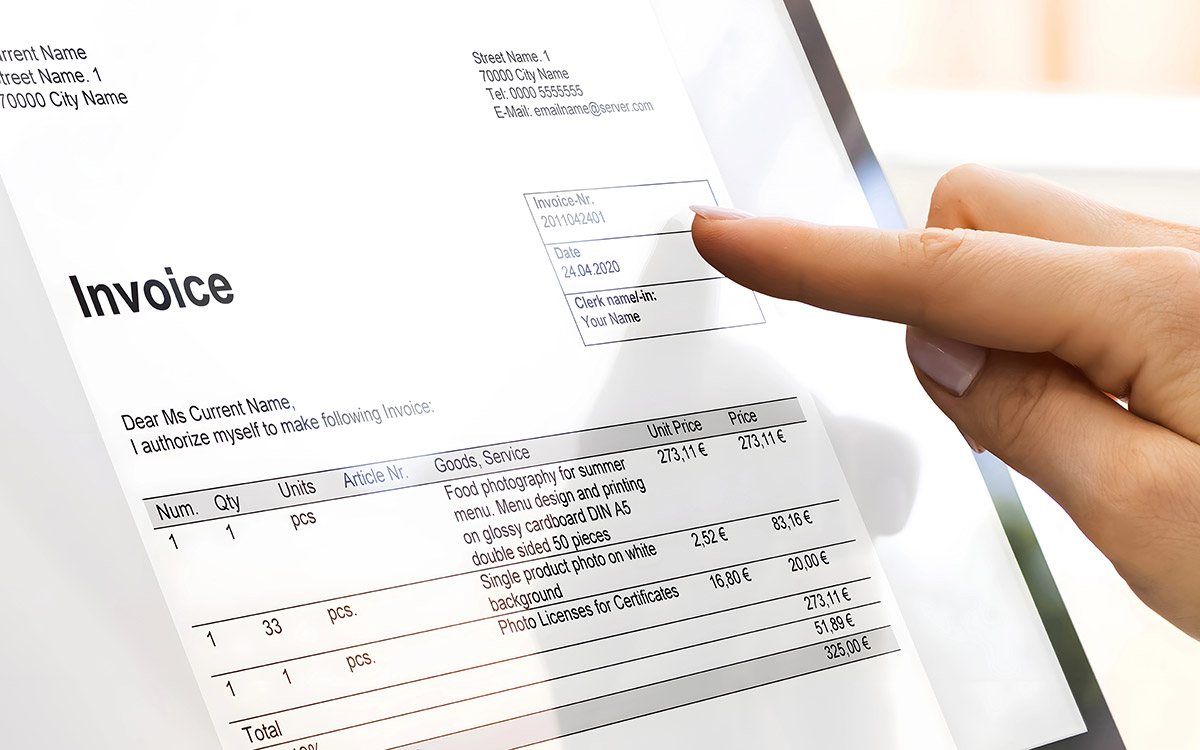



In the past decade, Italy has already taken major steps in the digitisation of financial processes. Electronic invoicing is no longer a future ambition, but a daily reality – and obligation – for businesses across the country. Companies and organisations now have a much more structured and transparent administrative flow. But digitising the invoice does not automatically digitise the payment journey behind it.
For many companies, especially those with recurring revenues, the most important operational question starts after the invoice has been sent. Has the customer activated the right payment method? Will the payment arrive on time (e.g. according to a report by Atradius Group, 55% of B2B invoices in Italy are paid past their due date)? What happens if it fails? Can the finance team reconcile the payment without manual intervention? And can the customer experience remain simple throughout?
These questions are becoming more important as recurring business models expand across sectors such as utilities, insurance, mobility, software, leasing, memberships and professional services. In these models, payment is not a one off checkout moment. It is part of an ongoing customer relationship.
This changes the role of payment infrastructure. A good payment experience is not only about offering many payment methods at the moment of purchase. It is also about ensuring continuity: activating the right method, collecting future payments, handling exceptions, recovering failed transactions and keeping finance systems in sync.
Italy’s progress in e-invoicing shows that large scale financial digitisation is possible when standards, infrastructure and market adoption come together. This does not mean adding complexity for the customer. On the contrary, the best recurring payment flows are often the least visible ones. They make it clear what the customer is authorising, reduce the need for repeated manual action and give companies a predictable way to manage payment commitments over time.
For businesses, the impact can be significant. Fewer unpaid invoices (and thus a better cashflow position). Fewer manual reminders. Better cash flow visibility. Lower operational pressure on finance and customer service teams. And, overall, smoother experience for customers who expect digital processes to be simple, secure and transparent.
This is where the fintech conversation in Italy can move beyond the front end of payments. Digital wallets, instant payments and online checkout experiences remain important, but the deeper opportunity lies in connecting payments with the full financial process: onboarding, authorisation, collection, failure management and reconciliation. Digitally switching (or onboarding) customers to e.g. a SEPA Direct Debits mandate can be a game changer in this regard. This payment scheme is accepted in 36 European countries (including Italy) and it also lets businesses collect from their own bank accounts instead of having to rely on middlemen.
For recurring revenue businesses, cashflow reliability is not trivial. It is a growth condition. A subscription, policy, contract or service relationship only becomes truly recurring when the underlying payment process can support it month after month.
Italy has digitised the invoice. The next opportunity is to make the payment behind it just as automated, trusted and dependable.

Articolo a cura di:
Twikey